
Seasonal checklists
Draught Proofing Your Newcastle Home Before Winter
Doors, windows, loft hatches and letterboxes: a practical guide to stopping draughts in your Newcastle home without blocking the ventilation it needs.
Stop cold air sneaking in around doors, windows, floors and loft hatches, while keeping safe ventilation.
Cold spots by the front door, curtains that move on a still evening, a whistle from the letterbox: draughts make a home feel chilly even with the heating on. Many older terraces and semis in Newcastle, Heaton and Jesmond have gaps around doors, sash windows and floorboards that let warm air escape all winter.
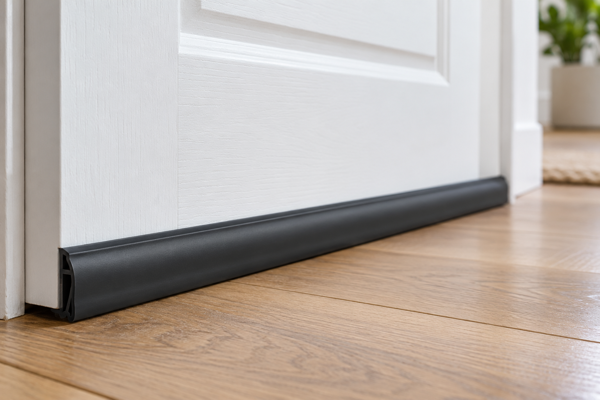
Andrew carries out practical draught proofing for homeowners and tenants who want a warmer, quieter house without a major project. That means fitting new door seals and threshold strips, adding letterbox and keyhole covers, sealing gaps around skirting and pipework, fitting window seals, and insulating and sealing loft hatches. He works room by room, finding where the air is getting in and choosing the right product for each gap.
Draught proofing is not about sealing a house up completely. Homes need fresh air, and some rooms need permanent ventilation for safety. Andrew leaves trickle vents, airbricks and vents for fuel-burning appliances alone, and will point out anywhere he thinks ventilation is already poor. The aim is to stop the uncontrolled draughts while keeping the ventilation your home actually needs.
A warm home still needs to breathe. Blocking the wrong opening can lead to condensation, mould, or in the worst cases dangerous fumes. Andrew will never seal over:
If a room already suffers from condensation, Andrew may suggest keeping draught proofing light in that room. Any concerns about a gas appliance or flue should go to a Gas Safe registered engineer.
In a typical Newcastle terrace or semi, most of the cold air comes from a handful of places. The front door is often the biggest culprit, with worn seals, a gap under the door and an unbrushed letterbox. Sash and older casement windows come next, especially where the timber has shrunk over the years.
Suspended timber floors can let air rise between boards and under skirting, which is why ground floor rooms in older houses often feel colder. The loft hatch is another one people forget: warm air rises straight through an unsealed hatch. Finally, unused fireplaces can pull a surprising amount of heat up the chimney. Tackling the worst two or three of these usually makes the biggest difference for the money spent.
Simple measures like letterbox brushes, door-bottom brushes and self-adhesive window seals are low cost and easy to remove. For anything more permanent, check with your landlord first. Many landlords in Newcastle are happy to agree, as it helps keep the property dry and tenants comfortable through the winter.
It can if ventilation is blocked, which is why Andrew leaves trickle vents, airbricks and extractor fans clear. Draught proofing should stop the uncontrolled gaps, not the planned ventilation. If a room already has condensation problems, Andrew will say so and may suggest a lighter approach there.
Yes. Sash windows can be sealed with brush or compression strips fitted to the staff beads and meeting rails, so the windows still open and close. The right method depends on the condition of the frames. If the sashes are rotten or badly loose, some repair work may be needed first, and Andrew will explain that in the quote.
For unused open fireplaces, a removable chimney balloon or a vented cap is often a good choice. Andrew will only do this where the fireplace is genuinely out of use and no appliance shares the flue. Any fireplace connected to a gas fire, boiler or stove must be left alone and checked by the appropriate engineer.
Early autumn is ideal, before the colder weather sets in, but it can be done at any time of year. Diaries do get busier around October and November across Newcastle and North Tyneside, so getting in touch in late summer or early autumn usually means more choice of dates.
Doors, windows, loft hatches and letterboxes: a practical guide to stopping draughts in your Newcastle home without blocking the ventilation it needs.
The common repairs to sort between tenants, how to use inventory photos, and tips for student lets in Jesmond and Heaton. A practical checklist for landlords.
Brick, block, plasterboard or a Tyneside flat partition wall? How to tell what your wall is made of, which bracket suits it and how to tidy the cables safely.
Black mould, gaps and peeling silicone are signs your bath or shower needs resealing. Learn why mould returns, how long sealant takes to cure and when to worry.
Storm damage to your shed roof? How to decide between a patch repair and full re-felting, plus what to check on boards, doors and the base.
Curtain poles, blinds, TV mounting, flatpack and furniture anchors: the handyman jobs worth booking in your first week after moving in.